
How Much Does It Cost to Install a Manual Transfer Switch?
A manual transfer switch typically costs $400 to $1,300 installed, including the switch and labor. A basic setup near the panel sits at the low end; more circuits, a larger switch, or added wiring raises the price. It's far cheaper than an automatic transfer switch.
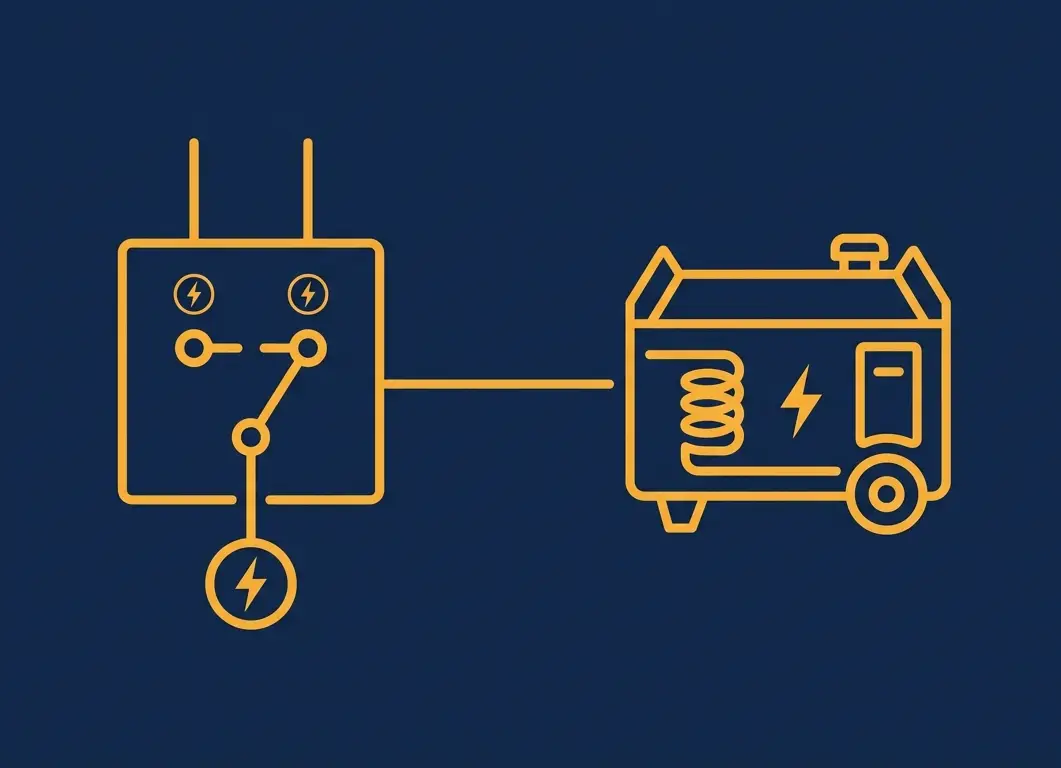
A transfer switch lets you safely power your home from a portable generator without dangerous "backfeeding." A manual switch is the budget-friendly option. Here's what it costs and why it's essential.
Typical Cost Breakdown
| Setup | Typical Cost |
|---|---|
| Basic manual switch (few circuits) | $400 – $700 |
| Larger switch (more circuits) | $700 – $1,300 |
| Added inlet box & wiring | Varies |
| Automatic transfer switch (for comparison) | $1,500 – $3,000+ |
Typical U.S. estimates; cost varies by switch size, number of circuits, and wiring. Your electrician provides a firm quote.
Manual vs. Automatic Transfer Switch
- Manual — you start the generator and flip the switch yourself. Cheaper, simple, ideal for portable generators.
- Automatic — detects an outage and switches over on its own. More expensive, paired with standby generators.
Never skip the transfer switch. Plugging a generator directly into an outlet ("backfeeding") is extremely dangerous — it can electrocute utility workers and damage your home. A transfer switch is the safe, legal way to connect a generator.
Ready to Connect Your Generator Safely?
The Neighborhood Electrician connects you with a licensed electrician to install your transfer switch and quote it upfront.
Frequently Asked Questions
Do I really need a transfer switch for a generator?
For powering your home's circuits, yes. It's the only safe, code-compliant way to connect a generator and prevents dangerous backfeeding onto utility lines.
How many circuits can a manual transfer switch power?
Common manual switches cover 6–10 circuits — enough for essentials like the fridge, furnace, and some lights. Your electrician can size it to your priorities.
Do I need a permit to install a transfer switch?
Usually yes. Transfer switch installation ties into your panel and typically requires a permit and inspection, which a licensed electrician handles.
Connecting U.S. homeowners with licensed, insured, and vetted electricians since 2015 — from emergency repairs to panel upgrades.
The Neighborhood Electrician is a referral service that connects homeowners with independent, licensed electrical contractors. We do not perform electrical work directly.